

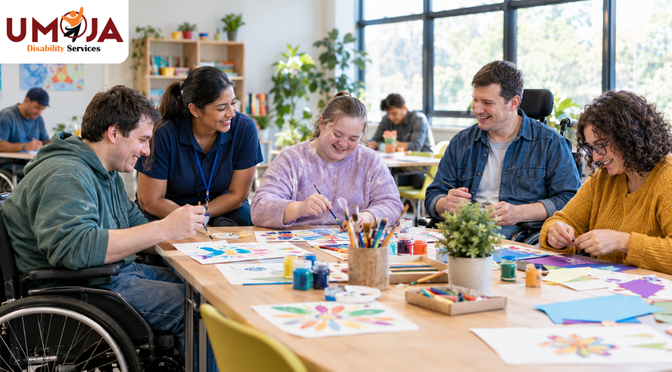
Group programs can be much more than a scheduled activity. At their best, they create opportunities to connect, learn, laugh, try something new and feel part of the community.
So, what do participants actually want?
The answer is surprisingly simple: they want activities that feel meaningful, respectful and enjoyable. NDIS principles emphasise choice and control, safe and respectful support, and opportunities for people with disability to pursue their goals and participate in the community.
For many people, group centre activities in Sydney can provide a practical setting to build friendships, explore interests and develop everyday skills without losing sight of personal choice.
Here are eight things that matter most.
1. Choice That Feels Genuine
Nobody wants to feel as though they are simply following a timetable.
Participants want a say in what they do, who they spend time with and how they take part. Choice and control are central principles of the NDIS, so group programs should leave room for preferences, interests and different ways of participating.
2. Activities That Are Actually Enjoyable
Would you keep attending an activity you found boring?
Probably not.
NDIS group activities in Sydney should offer variety and enjoyment. Creative sessions, games, cooking, music, community outings, celebrations and skill-building activities can make participation feel purposeful rather than routine.
3. Opportunities To Build Everyday Skills
Participants often want more than something to fill a few hours.
A good group setting can encourage communication, teamwork, decision-making, confidence and practical skills. These experiences can support greater independence while allowing people to learn through real interaction.
4. Genuine Friendships And Social Connection
People want to meet others naturally.
NDIS social activities in Sydney can create opportunities to share interests, start conversations and develop friendships over time. NDIS research identifies stronger relationships, reduced isolation, belonging and confidence as important benefits associated with community participation.
5. A Welcoming Pace
Not everyone joins a group feeling confident.
Some people may prefer to watch before joining in. Others may enjoy jumping straight into an activity.
The best NDIS group activities in Sydney allow people to participate at a comfortable pace, with encouragement rather than pressure. Feeling safe and respected can make a major difference to participation.
6. Variety Without Unnecessary Complexity
Doing the same thing every week can quickly become predictable.
Participants may appreciate a mix of indoor activities, outdoor experiences, creative projects, practical sessions and community outings. Variety can help people discover new interests while keeping familiar routines available.
7. Respect, Dignity And Safety
Enjoyment matters, but so does feeling secure.
NDIS social activities in Sydney should be delivered in an environment where people are treated with respect, their choices are heard, and appropriate safety measures are followed. The NDIS Code of Conduct sets expectations around safe, ethical and respectful support.
8. A Sense That Participation Has A Purpose
The most meaningful group experience may be one where participants understand how the activity connects with their interests or personal goals.
Participants may want to make friends, practise communication, discover hobbies, become more confident in the community or learn practical skills. Group centre activities in Sydney can be more meaningful when participation connects with goals that matter in everyday life.
Final Thoughts
The strongest group programs are not simply about keeping people occupied. They create space for choice, connection, enjoyment, confidence, skills and belonging.
Most importantly, participants should be able to feel that their voice matters. When groups respect individual preferences while creating genuine opportunities to participate, the activity becomes more than something to attend; it becomes part of everyday life.
Umoja Disability Services supports social connection, everyday skill development and community participation through group centre activities in Sydney.
Frequently Asked Questions (FAQs)
2. Are group programs only about socialising?
No. Group programs can also support communication, teamwork, practical skills, confidence, hobbies and community participation. The right activity can combine learning with genuine enjoyment.
3. How can participants choose activities they enjoy?
Participants can consider their interests, preferred routines, social comfort and personal goals. Asking what sounds enjoyable is often a useful starting point.
4. Can group activities help people make friends?
Yes. Shared activities create natural opportunities to meet people, start conversations and build relationships over time. Friendship usually develops through repeated, comfortable interaction rather than forced introductions.
5. What types of NDIS group activities in Sydney may be available?
Options can include creative activities, games, cooking, music, skill-building sessions, celebrations and community outings. Availability depends on the program, provider and participant circumstances.
6. Do participants have to join every activity?
No. Participation should reflect choice and comfort. Someone may prefer certain activities, take breaks or observe before deciding to join.
7. Why is variety important in group programs?
Variety can prevent activities from becoming repetitive and help people discover new interests. It can also create opportunities to practise different skills in different settings.
8. Are NDIS social activities in Sydney suitable for everyone?
There is no single group format that suits everyone. Participants may need to consider the activity, environment, accessibility, support arrangements and whether the experience aligns with their goals.
9. What makes a group program feel welcoming?
Respectful communication, clear expectations, suitable activities and a comfortable pace can help. People are more likely to participate when they feel heard rather than pressured.
10. Can group centre activities in Sydney support independence?
They can provide opportunities to practise communication, decision-making, teamwork and everyday skills. The NDIS recognises social and community participation as an important outcome area for participants.