

Complex health needs often require ongoing medical care and supervision. These needs involve multiple health issues, including physical limitations, chronic illnesses, and mental health challenges, that demand coordinated care. Participants with complex health needs may require nursing support to manage daily activities, medication, therapies, and rehabilitation.
Community nursing care in Sydney plays a key role in providing specialised care. Nurses work directly with participants to ensure their health needs are met while empowering them to maintain their independence.
Who are Community Nurses?
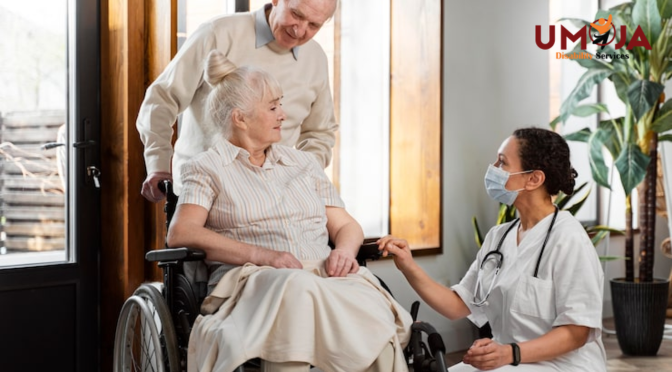
Community nurses are highly trained healthcare professionals who deliver essential care to participants either in their homes or in shared accommodations. Their support goes beyond medical treatment, offering holistic care that encompasses physical, mental, and emotional health.
How Do Community Nursing Supports Complex Health Needs?
Here’s how community nursing care under the National Disability Insurance Scheme (NDIS) supports complex health needs:
01. Personalised Care Plans
One of the most significant aspects of community nursing care is the development of personalised care plans. Nurses assess the individual’s health needs, lifestyle, and goals to create a tailored plan that addresses all aspects of their care.
- Comprehensive Health Assessments: Nurses evaluate the participant’s condition regularly, adjusting the care plan to meet evolving needs.
- Individualised Treatments: Whether it’s administering medications, performing wound care, or assisting with physical therapy, nurses provide personalised treatments to address specific health concerns.
O2. Medication Management
Participants with complex health needs often rely on various medications to manage chronic conditions, mental health disorders, or post-operative care. Community nursing care in Sydney ensures that medications are administered correctly and on time.
This is achieved through:
- Monitoring Medication: Nurses track medication schedules and ensure participants are taking their medications as prescribed.
- Assessing Side Effects: Nurses monitor the effects of medications and provide feedback to GPs if side effects arise.

O3. Chronic Disease Management
Many individuals with complex health needs have chronic conditions such as diabetes, asthma, heart disease, or neurological disorders. Community nurses play a crucial role in managing these conditions through regular monitoring and intervention.
- Regular Monitoring: Nurses monitor vital signs, glucose levels, and other health metrics to ensure the participant’s condition is well-managed.
- Education: Nurses educate participants and their families on managing chronic diseases, including lifestyle adjustments, diet, exercise, and stress management.
Here’s a look into the real-life impact of community nursing care by registered NDIS providers in Sydney on participants.
O4. Personal Care and Support with Daily Activities
Nurses help with medical tasks and provide assistance with daily living activities that individuals with complex health needs may struggle to complete independently. This support allows participants to lead more independent lives.
- Assistance with Mobility: Registered nurses can assist with walking, transfers, and positioning, ensuring participants move safely and comfortably.
- Personal Hygiene: Community nurses help with bathing, grooming, and dressing, promoting dignity and hygiene.
- Nutritional Support: Nurses ensure that participants are eating a healthy, balanced diet, especially if they have dietary restrictions related to their health conditions.
05. Mental Health and Emotional Support
Complex health needs are not just physical. They can also take a significant toll on mental health. Community nursing care in Sydney recognises the importance of mental well-being and provides support through counseling and emotional care.
- Psychological Support: Nurses provide a listening ear, helping participants manage feelings of isolation, anxiety, or depression that may arise due to their health conditions.
- Building Confidence: Nurses help boost participants’ confidence by empowering them to take an active role in managing their health and daily activities.
O6. Coordinating and Collaborating with Other Healthcare Providers
Community nurses act as a central point of contact for coordinating care with other healthcare providers. This ensures that the participant’s care is holistic and aligned with their overall health plan.
- Care Coordination: Nurses organise appointments, referrals, and therapies, ensuring participants receive all-round care.
- Communication: Registered nurses communicate with GPs and allied health professionals, updating them on the participant’s progress and making adjustments to the care plan as needed.
Looking for Compassionate Community Nursing Care?
As one of the leading registered NDIS providers in Sydney, Umoja Disability Services Pty Ltd offers personalised support to help your loved ones manage complex health needs. Contact us today to learn how our community nursing care can assist you in achieving your health goals.
Frequently Asked Questions
How do your nurses support chronic disease management?
Our community nurses monitor health conditions, educate participants on managing their diseases, and provide ongoing support to help them manage symptoms and medication.
Can community nurses assist with personal care tasks?
Yes, community nurses can assist with daily personal activities such as bathing, dressing, and mobility to help participants maintain their independence.
How do your nurses coordinate care with other healthcare providers?
Our nurses work closely with other professionals, ensuring that all aspects of the participant’s care plan are aligned and integrated for holistic support.
How does your community nursing address mental health needs?
Nurses provide emotional support, counsel participants, and offer strategies for managing stress, anxiety, or depression, helping them maintain mental well-being.